
Rappahannock Tribe
Rappahannock Tribe Background
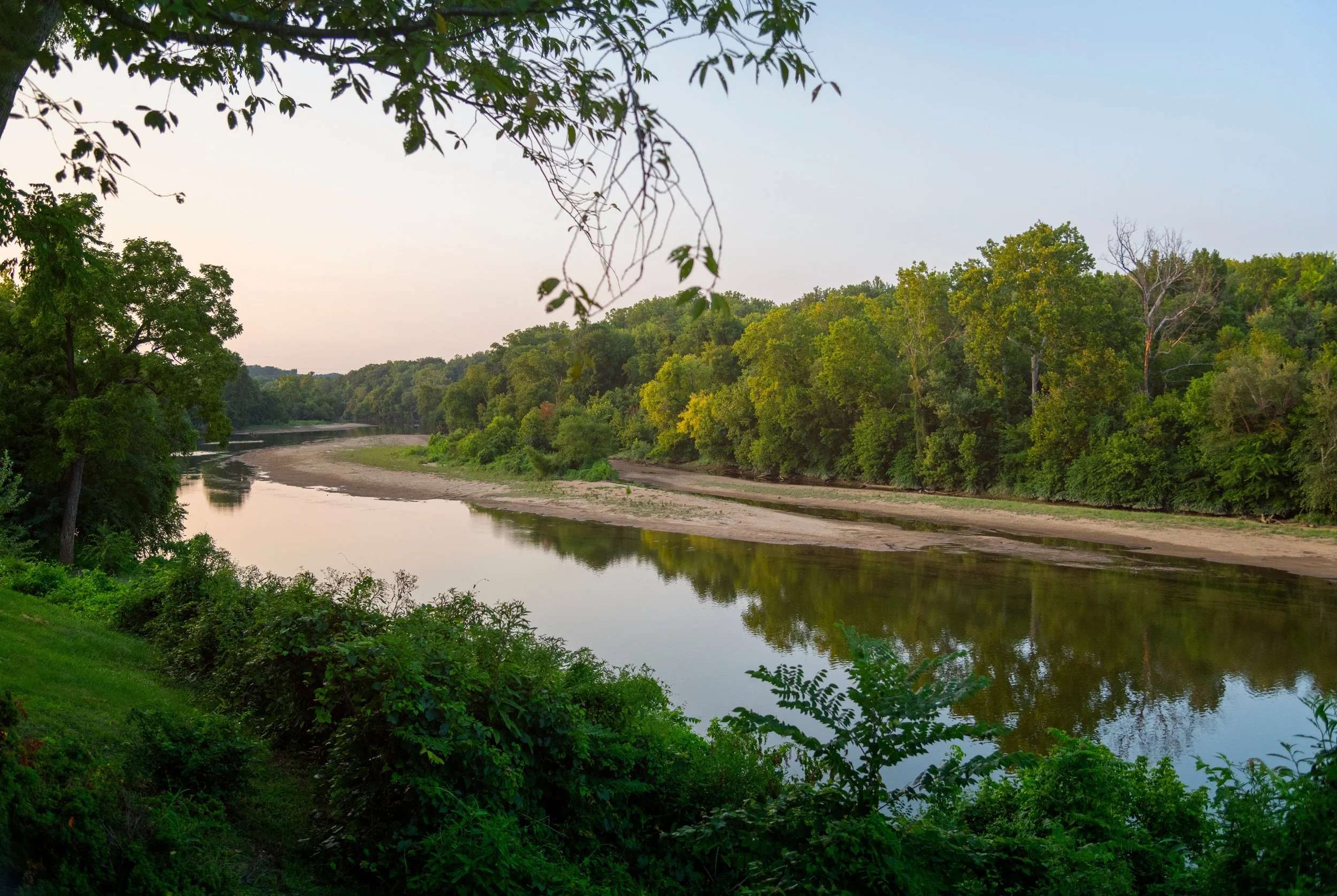
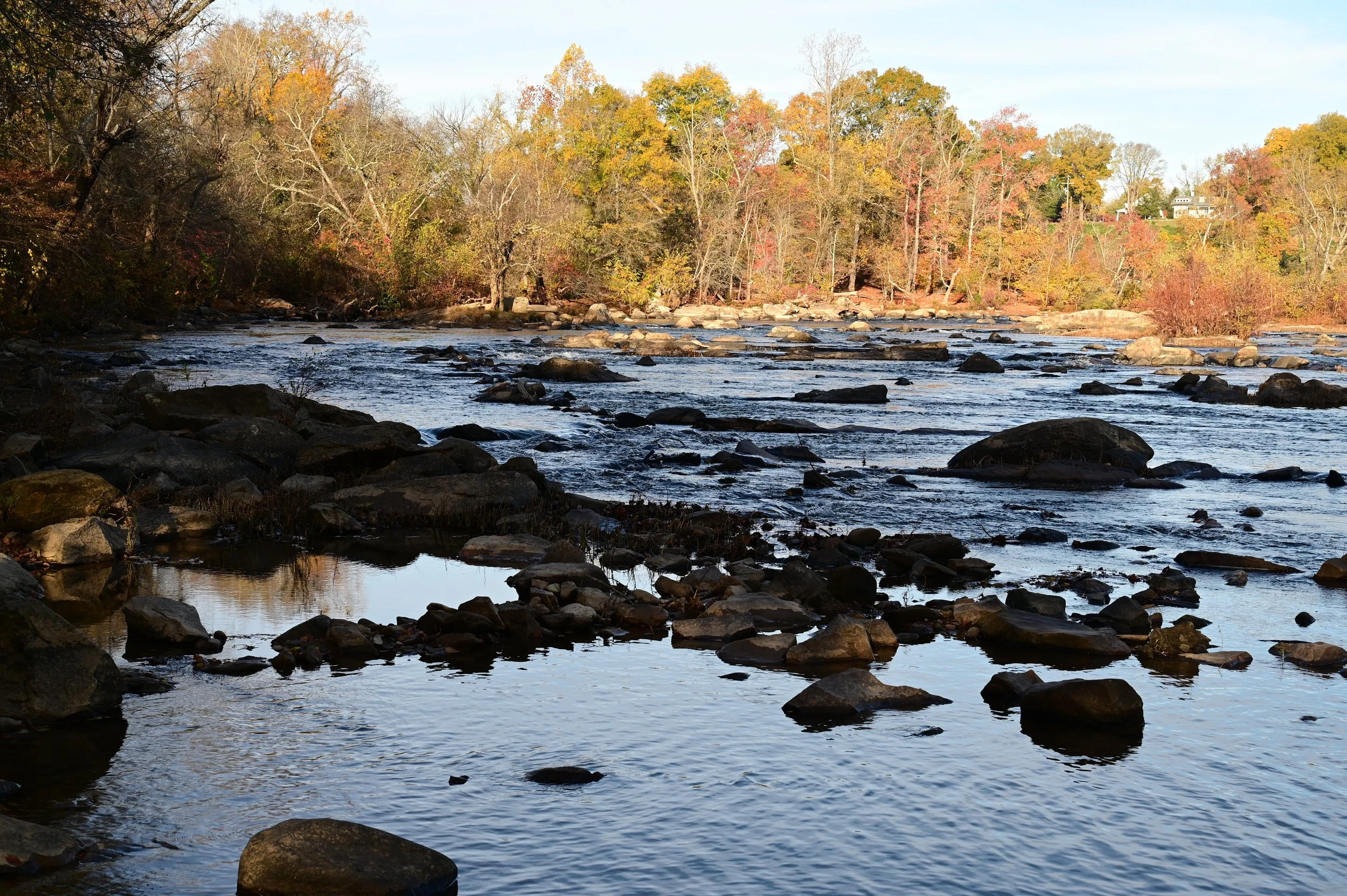
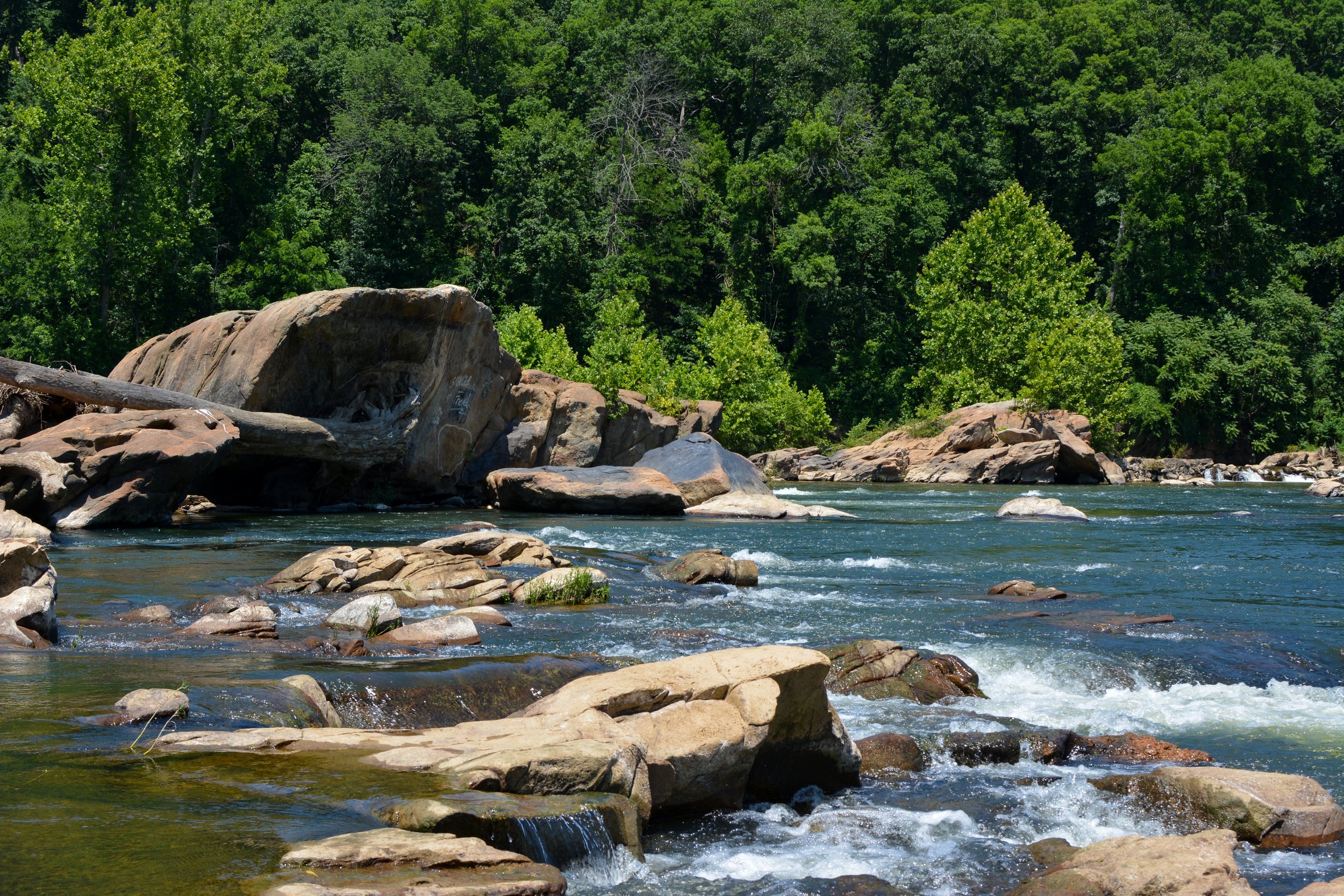
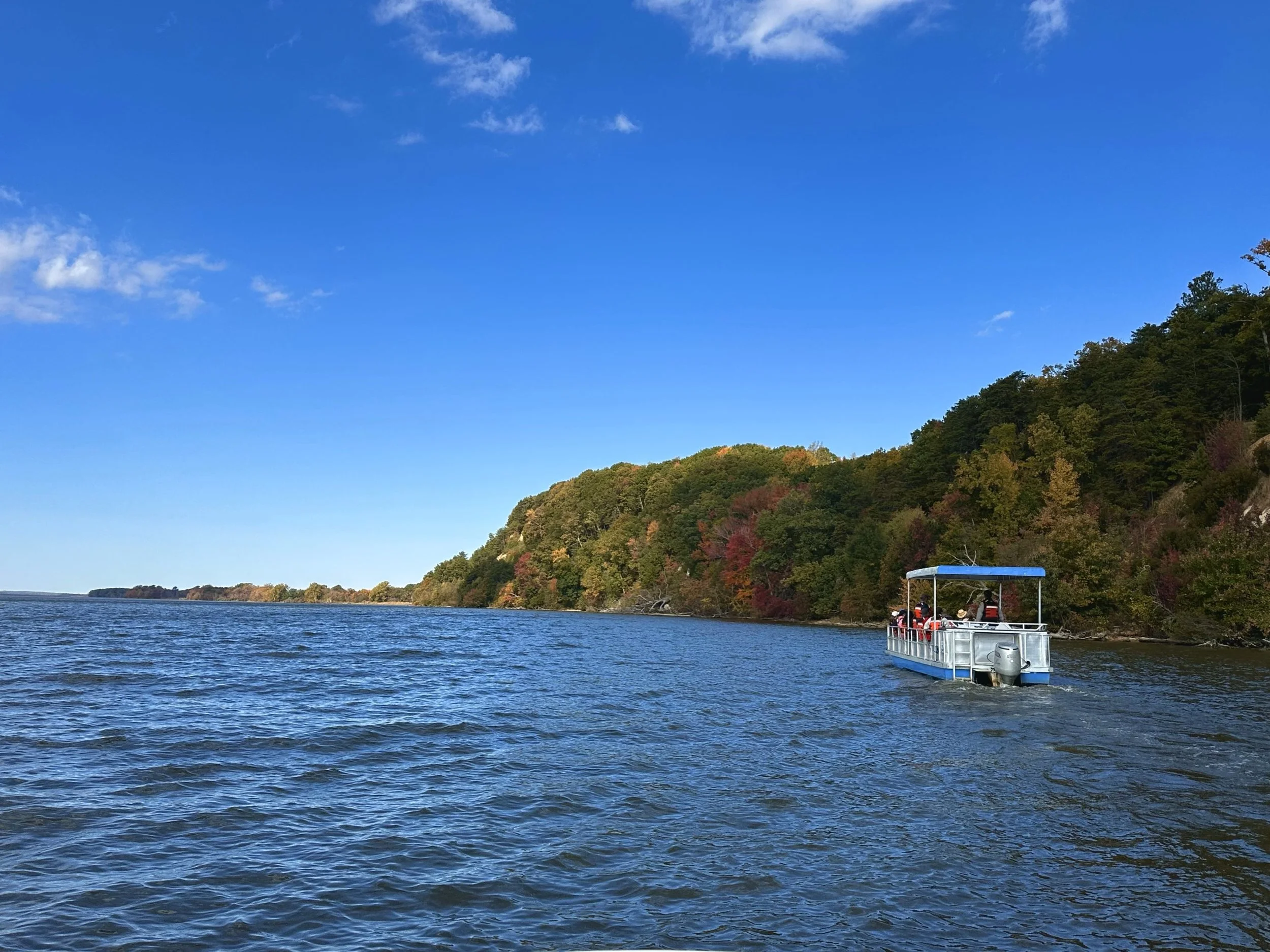
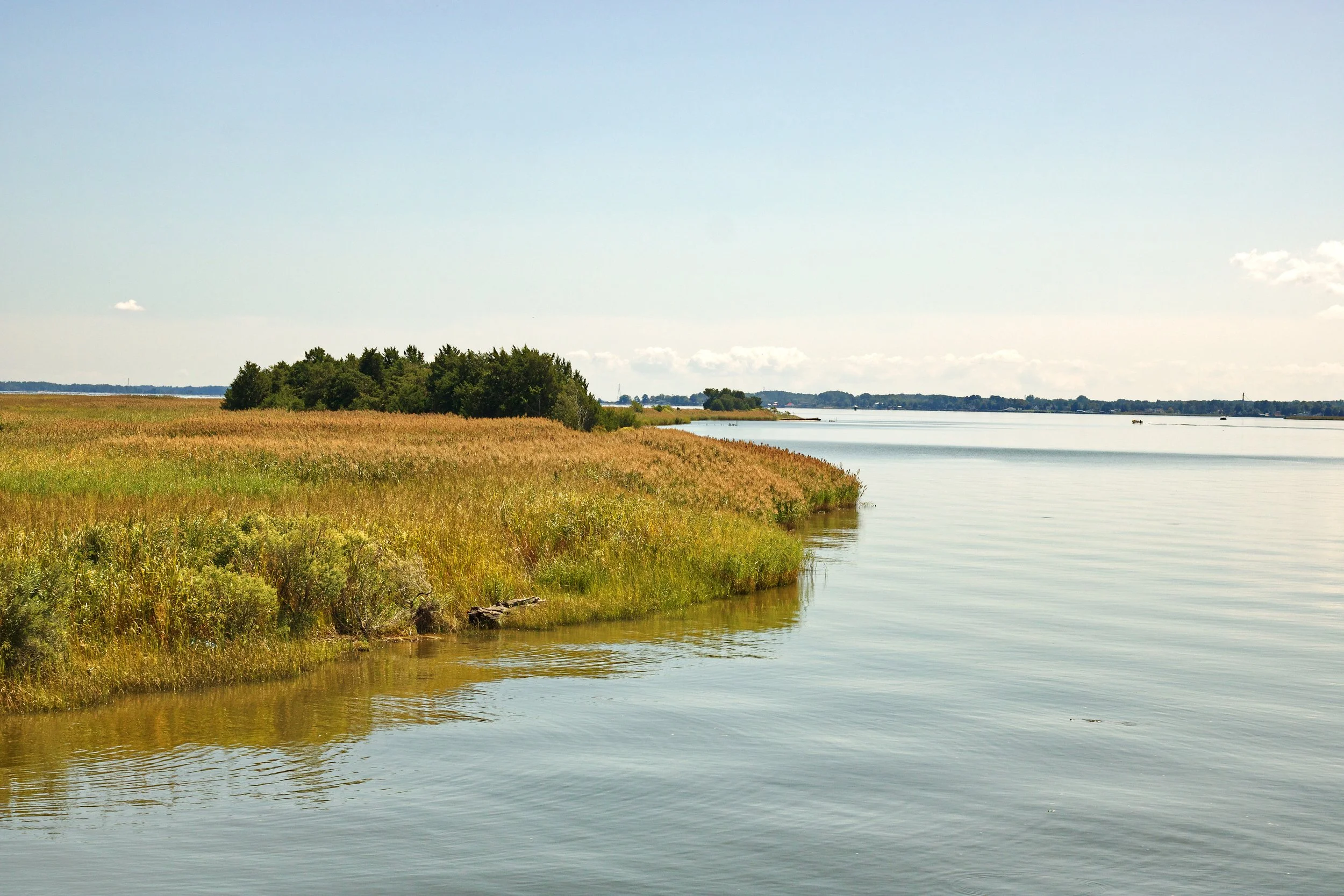
Along Virginia’s eastern coast, the Rappahannock River flows through forests, wetlands, and tidal estuaries before reaching the Chesapeake Bay. For generations, these lands and waters have sustained the Rappahannock Tribe, whose name means “people of the rising water.” The river has long shaped community life, supporting fishing, hunting, and seasonal harvesting traditions tied to the rhythms of tide and landscape.
Like many waterways across the Chesapeake Bay watershed, the Rappahannock River has experienced decades of ecological pressure from shoreline development, agricultural runoff, and habitat loss. These changes have degraded wetlands, reduced water quality, and disrupted ecosystems that once supported abundant fisheries and wildlife.
Today, the Rappahannock Tribe is working to restore and protect lands along the river while revitalizing traditional stewardship practices. Protecting these forests, wetlands, and coastal habitats offers an opportunity to strengthen ecological health within the Chesapeake Bay and preserve the cultural relationships that have long defined life along the Rappahannock River.

Context & Significance
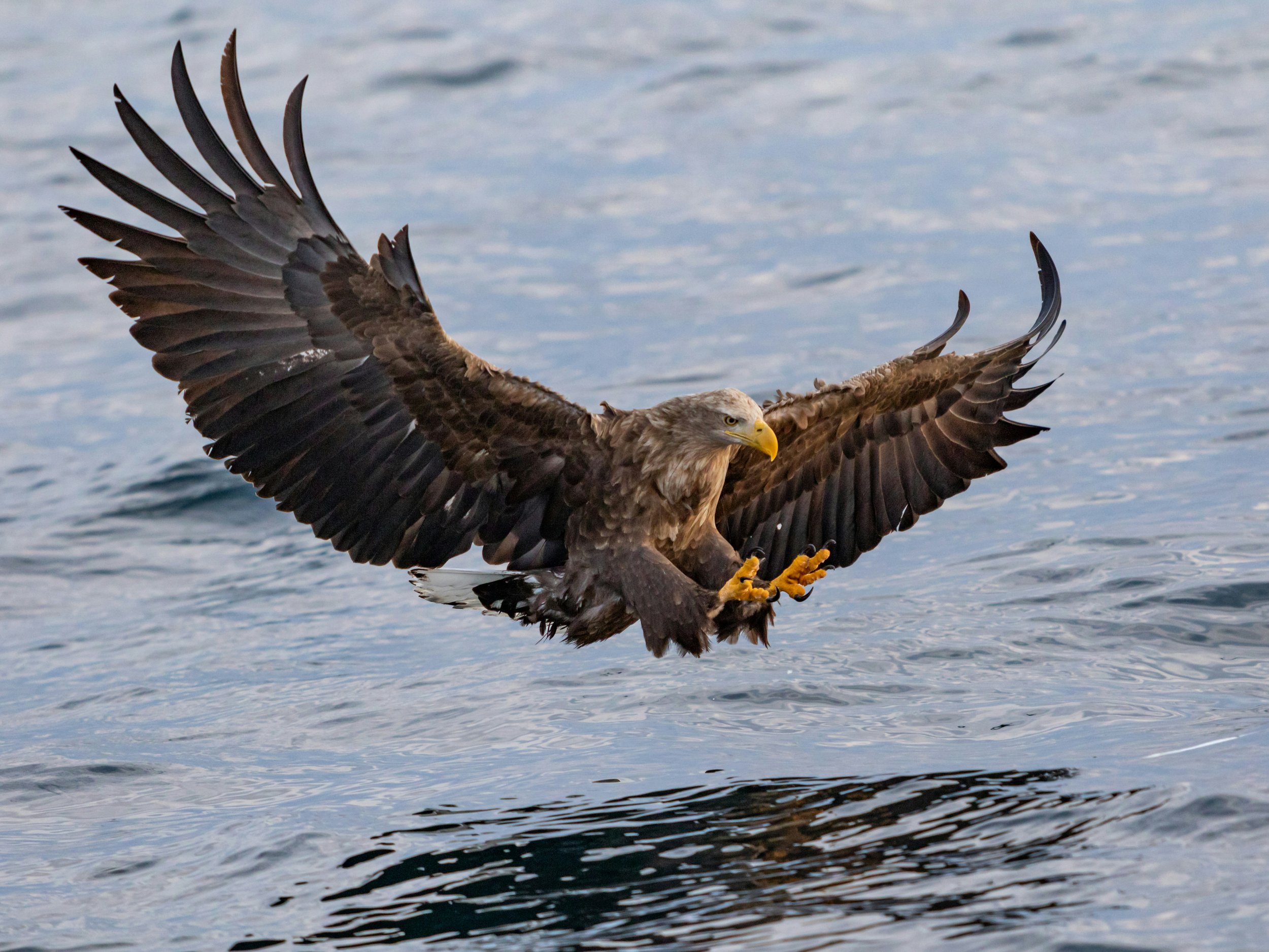
The Rappahannock Tribe has maintained a continuous connection to the river that bears their name for more than ten thousand years. Before European contact, the Tribe sustained at least three villages along the dramatic diatomaceous bluffs known as Fones Cliffs in what is now Richmond County, Virginia—a four-mile stretch of hundred-foot cliffs overlooking the Rappahannock River that remains one of the mid-Atlantic's most significant bald eagle nesting concentrations. Beginning in the 1640s, English colonists systematically displaced the Rappahannock from their homeland, relocating them repeatedly until, by the early eighteenth century, the Tribe had lost virtually all of its ancestral territory. For nearly 350 years the Rappahannock people persisted without a land base, achieving federal recognition only in 2018.
Under the leadership of Chief Anne Richardson, the Tribe launched the Return to the River initiative to train young tribal members in traditional river knowledge and to reestablish the cultural, ecological, and spiritual relationships that displacement severed. Since 2022, through partnerships with the Chesapeake Conservancy, The Conservation Fund, and the U.S. Fish and Wildlife Service, the Tribe has reacquired approximately 1,700 acres at Fones Cliffs (their largest land recovery since colonization) with conservation easements ensuring permanent protection of both the landscape and the Tribe's ability to steward it in perpetuity.
The Opportunity
CURRENT STATUS
The Rappahannock Tribe has requested the assistance of GLRF to develop a 5-year strategic plan to work with the Rappahannock River community to conserve lands and return targeted lands to tribal stewardship.
CONTACT FOR MORE INFORMATION
Steve Hobbs
Executive Director
Global Land Restoration Fund
Em: s.hobbs@globallandrestoration.org
Ph: +1 (651) 249-1389