
Sault Ste. Marie Tribe
Sault Ste. Marie Tribe Background
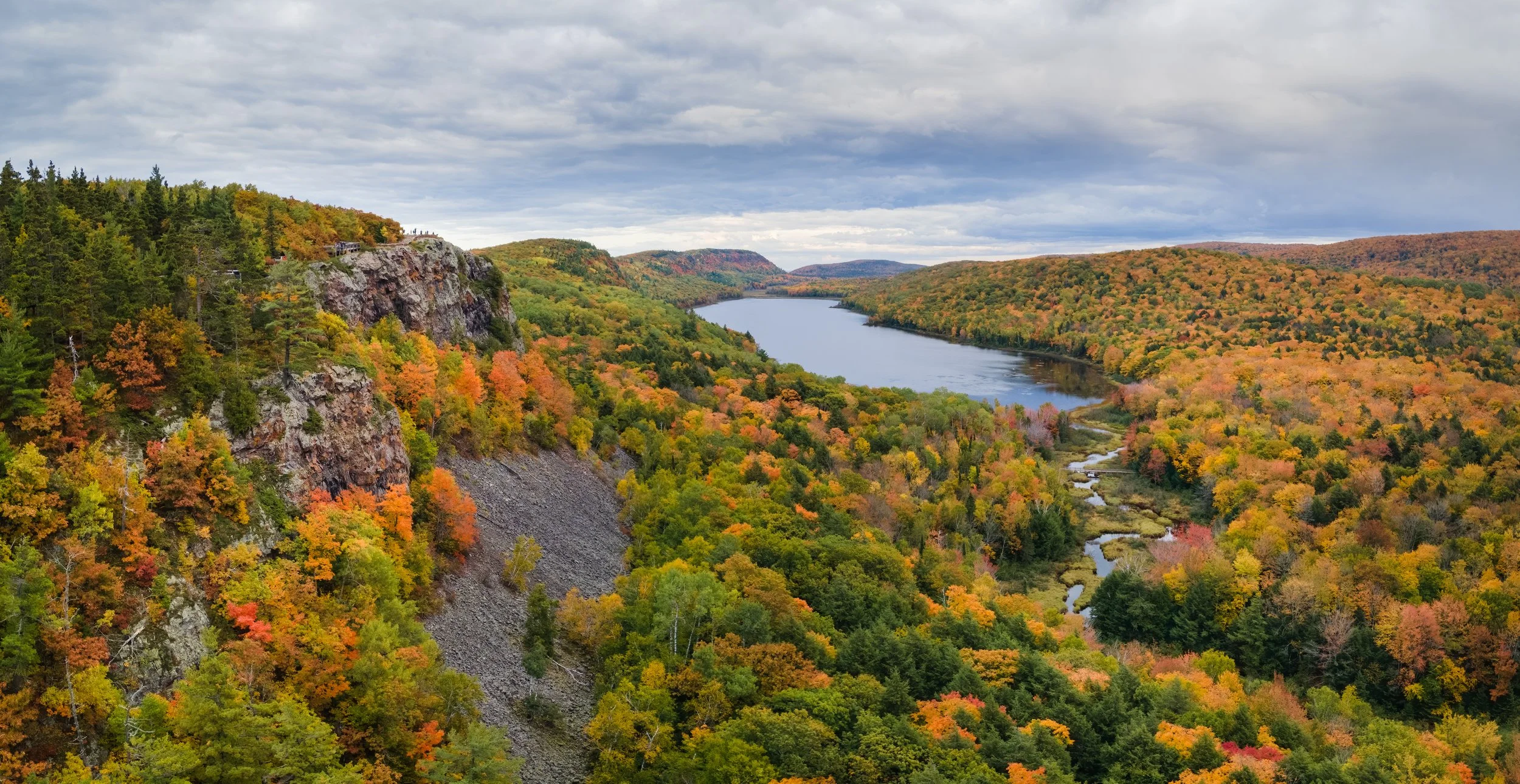
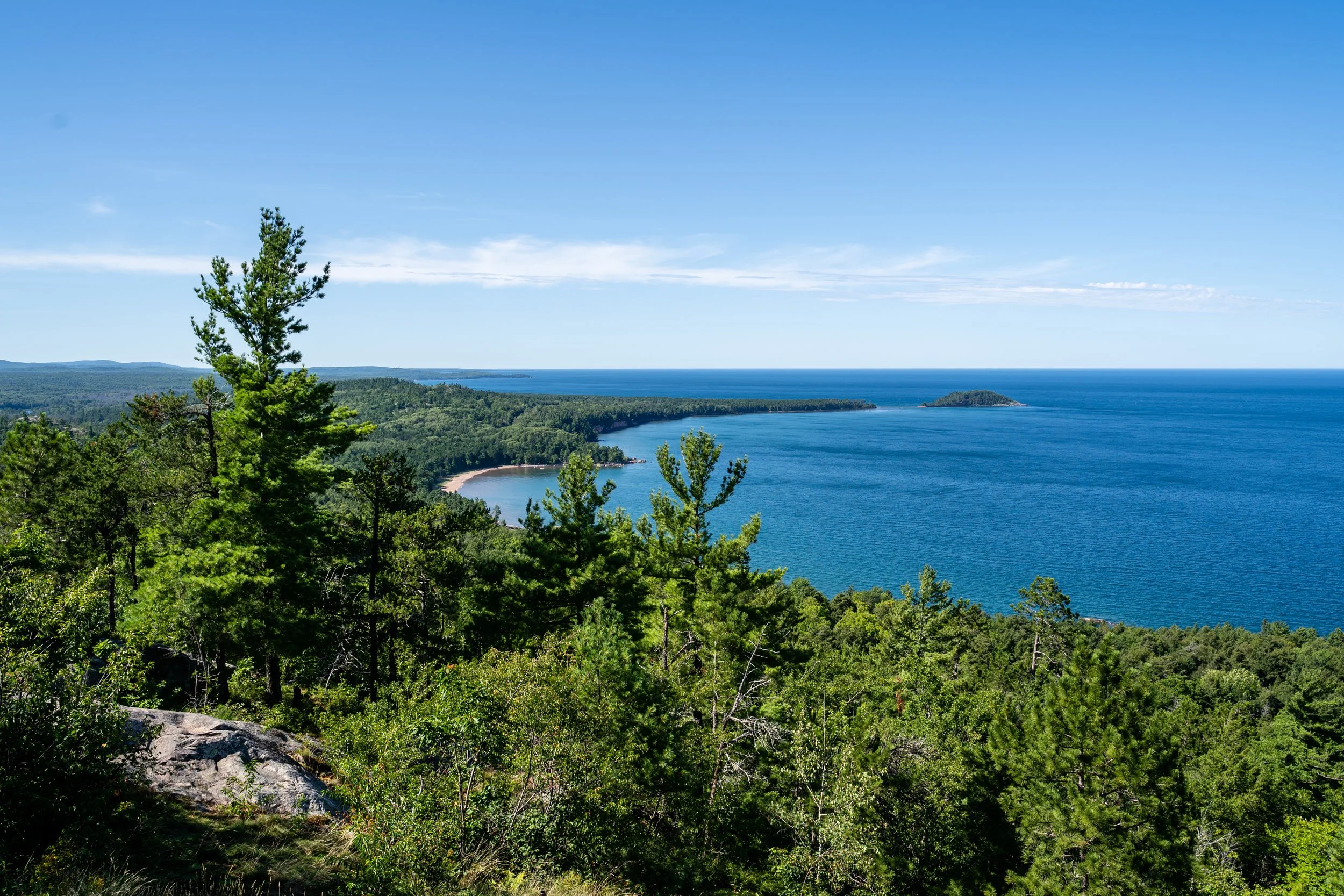
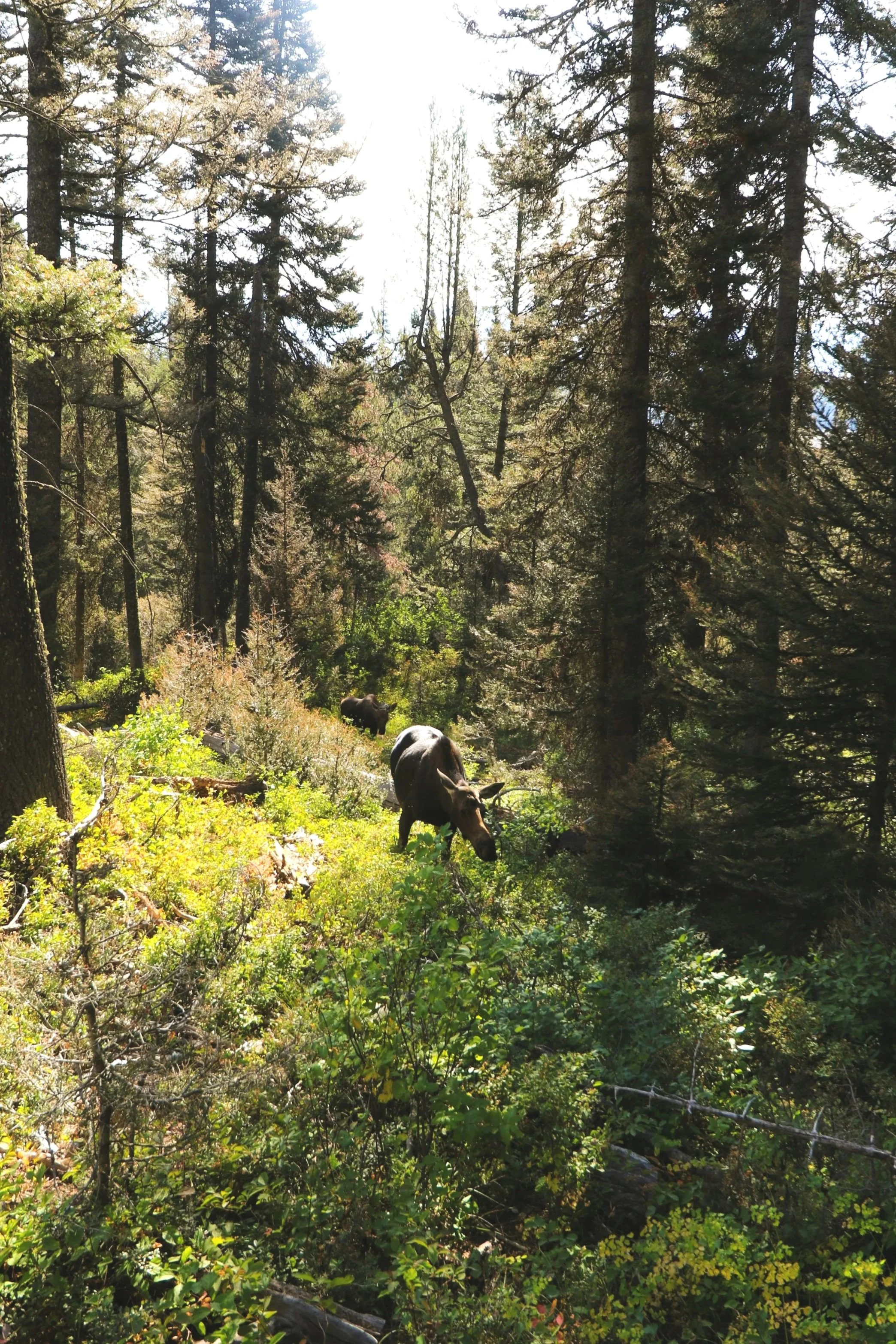
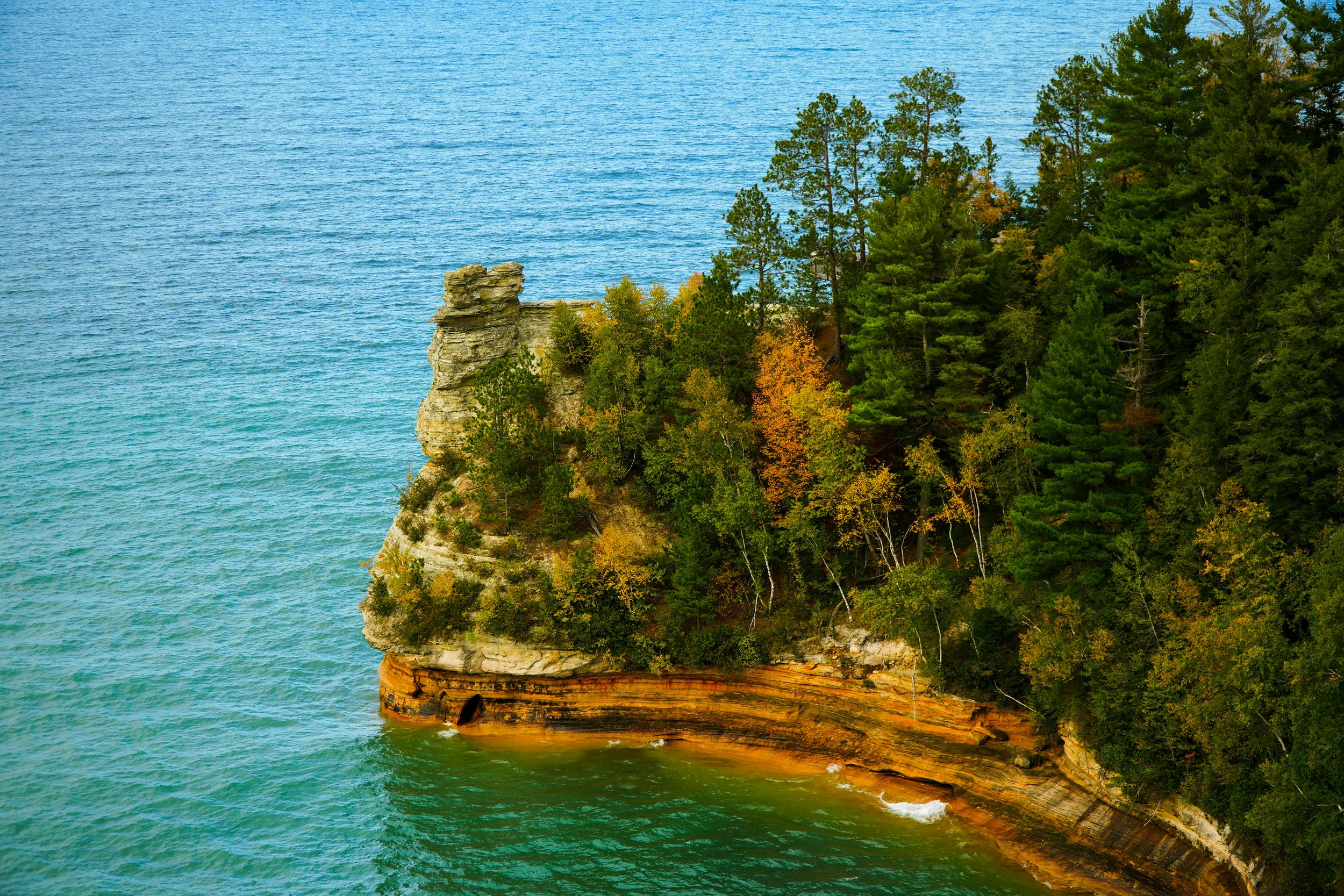
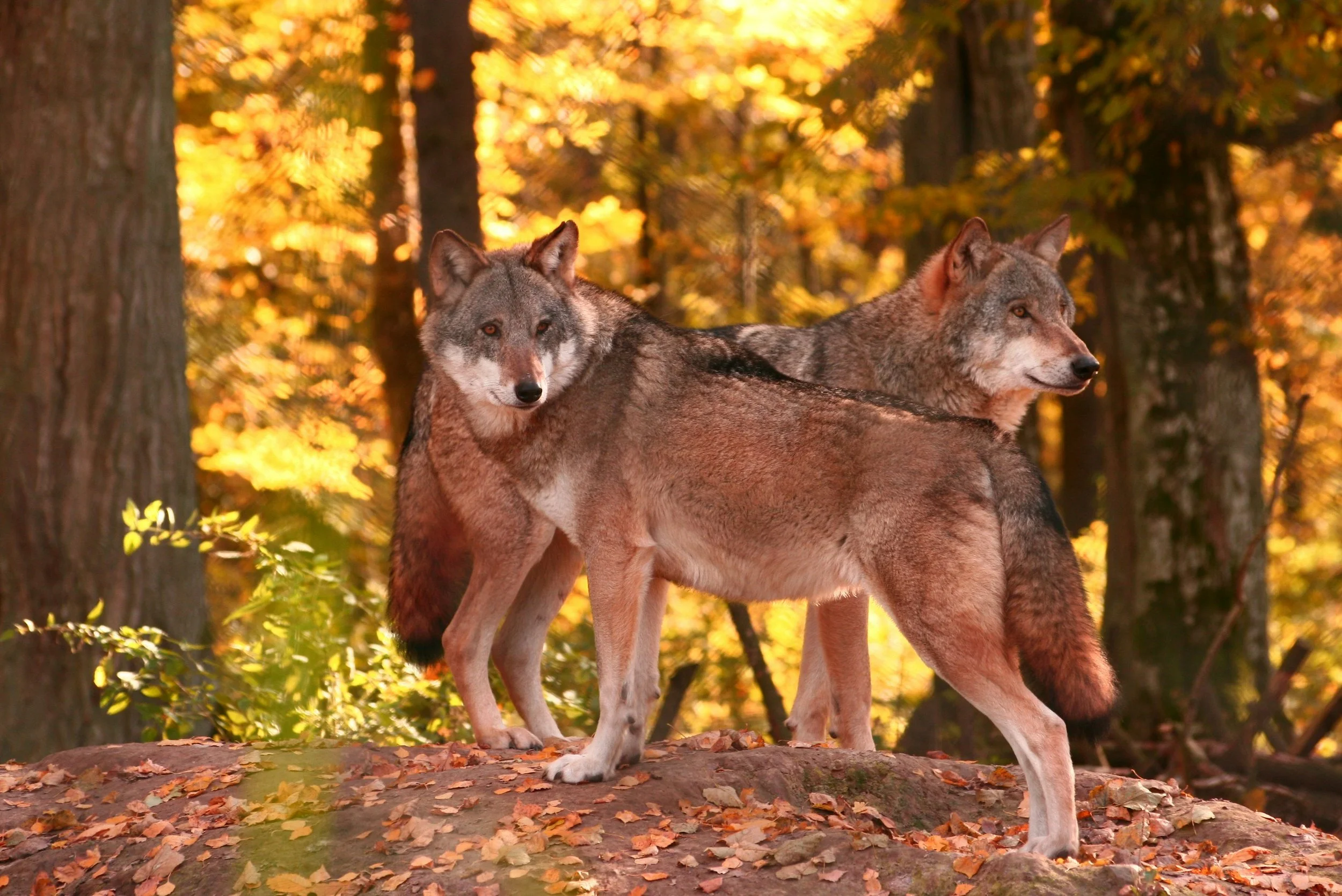
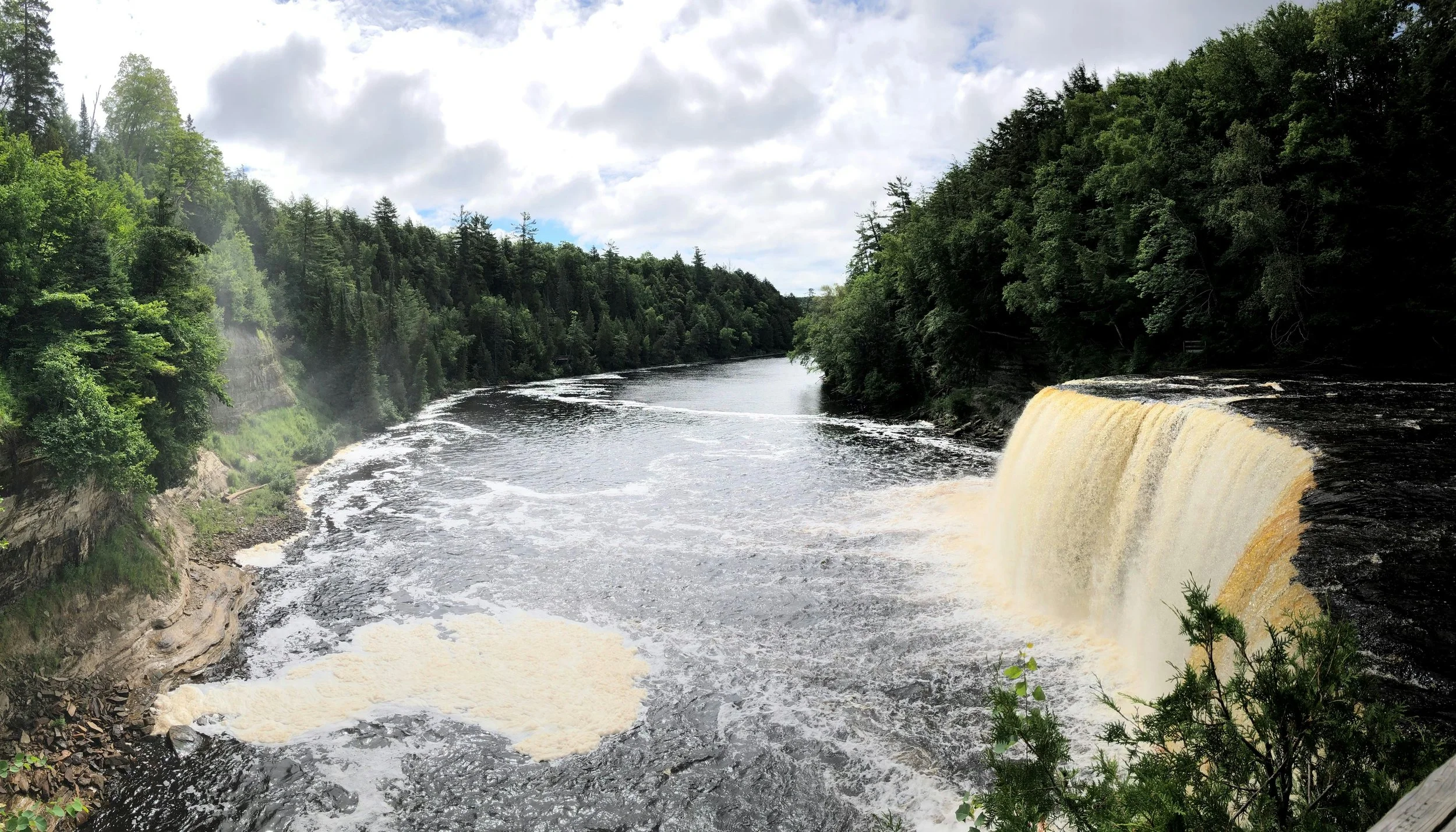
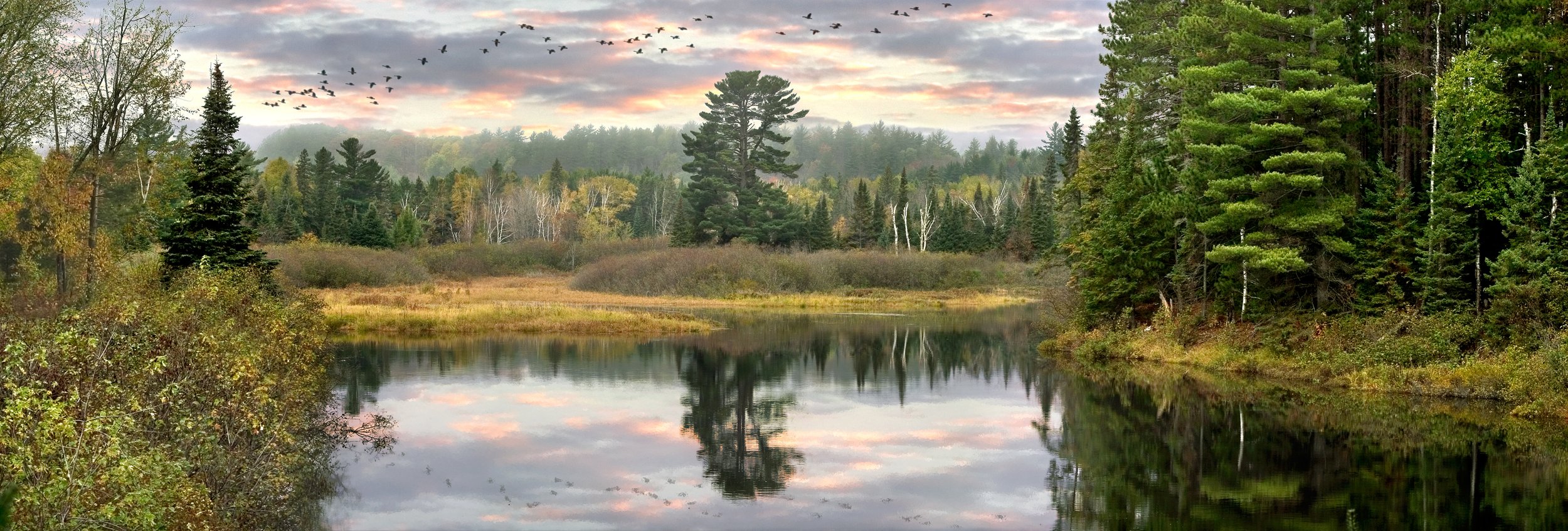
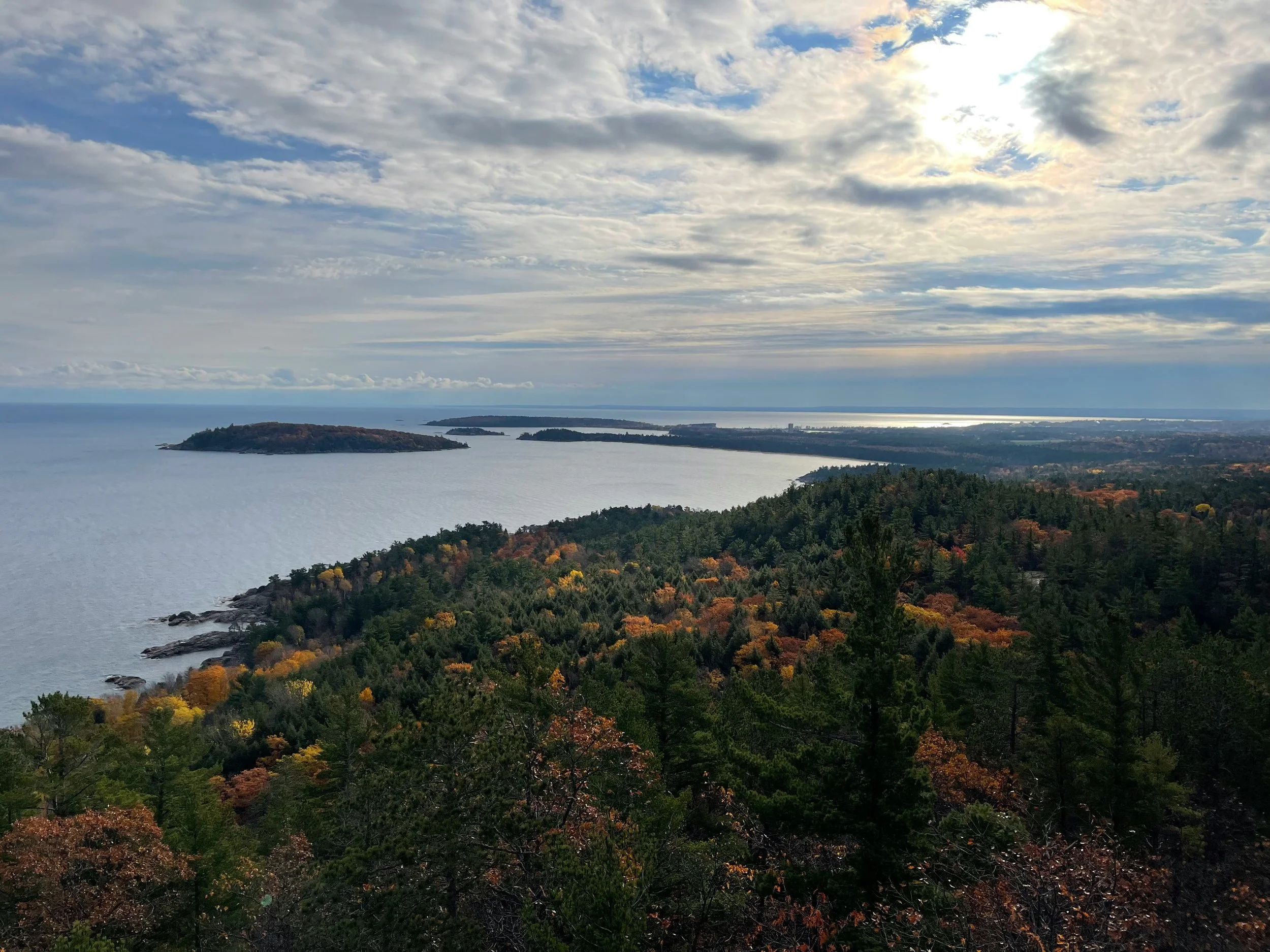
Along the northern shores of Lake Superior and Lake Huron, the homelands of the Sault Ste. Marie Tribe of Chippewa Indians stretch across forests, rivers, and inland waters that have sustained Anishinaabe communities for generations. These lands lie at the heart of the Great Lakes region, one of the largest freshwater systems on Earth, where forests, wetlands, and fisheries support both ecological diversity and longstanding cultural traditions tied to land and water.
Anishinaabe lifeways have long been shaped by seasonal relationships with this landscape, including fishing, hunting, and gathering guided by traditional knowledge. The waterways surrounding Sault Ste. Marie, particularly the St. Marys River connecting Lake Superior and Lake Huron, have also served as important corridors for travel, trade, and cultural exchange.
Today, the Sault Tribe continues to steward lands and waters across Michigan’s Upper Peninsula while working to protect natural resources central to community life. As development pressure and environmental change reshape the Great Lakes region, protecting forests, wetlands, and traditional harvesting areas offers an opportunity to strengthen both ecological health and cultural continuity across this landscape.

Context & Significance
The Sault Ste. Marie Tribe of Chippewa Indians is the largest federally recognized tribe east of the Mississippi, with 44,000 enrolled members whose ancestors lived throughout the eastern Upper Peninsula and northern Lower Michigan for centuries. In the 1836 Treaty of Washington, the Anishinaabeg ceded nearly 14 million acres to enable Michigan statehood, while retaining rights to hunt, fish, and occupy the land until it was “required for settlement.”
What followed was a systematic unraveling of that promise: settlers violated treaty terms, forced allotment broke communal lands into vulnerable individual parcels, tax forfeitures occurred on
assessments the owners never received, and a federal determination effectively erased the Tribe’s legal existence for four decades.
When the Tribe regained federal recognition in 1972, it started with fewer than six acres. Today it serves its members across seven counties and more than 8,500 square miles, yet holds only nine small trust land sites. The Tribe seeks to acquire a meaningful portion of the forests in the Upper Peninsula to best utilize the prized land stewardship skills developed by the Sault Tribe and coveted by state and federal agencies that hire the Sault Tribe to manage their lands.
The Opportunity
Large tracts of forestland in the Upper Peninsula are likely to change ownership or legal status in the coming years so the chance for the Sault Tribe to take back their lands has never been more available.
CURRENT STATUS
The Sault Tribe has requested assistance from the GLRF to develop a comprehensive land acquisition strategy.
CONTACT FOR MORE INFORMATION
Steve Hobbs
Executive Director
Global Land Restoration Fund
Em: s.hobbs@globallandrestoration.org
Ph: +1 (651) 249-1389